











Our Packages




















































News Coverage






Buy Youtube Subscribers India
|
100 YT Subs |
200 YT Subs | 500 YT Subs | 1000 YT Subs |
| 100% High Quality Subs | 100% High Quality Subs | 100% High Quality Subs | 100% High Quality Subs |
| 100% Safe | 100% Safe | 100% Safe | 100% Safe |
| No Need to Provide Login Details | No Need to Provide Login Details | No Need to Provide Login Details | No Need to Provide Login Details |
| 24X7 Support | 24X7 Support | 24X7 Support | 24X7 Support |
| INR 350 | INR 699 | INR 1900 | INR 3600 |
| Order Now | Order Now | Order Now | Order Now |
|
2000 YT Subs |
5000 YT Subs | 10000 YT Subs |
| 100% High Quality Subs | 100% High Quality Subs | 100% High Quality Subs |
| 100% Safe | 100% Safe | 100% Safe |
| No Need to Provide Login Details | No Need to Provide Login Details | No Need to Provide Login Details |
| 24X7 Support | 24X7 Support | 24X7 Support |
| INR 6999 | INR 16000 | INR 28000 |
| Order Now | Order Now | Order Now |
Buy Youtube Views India
|
1000 YT Views |
2000 YT Views | 5000 YT Views | |
| Results Start in 24-48 Hours | Results Start in 24-48 Hours | Results Start in 24-48 Hours | |
| 100% Safe & Private | 100% Safe & Private | 100% Safe & Private | |
| No Need to Provide Login Details | No Need to Provide Login Details | No Need to Provide Login Details | |
| 24X7 Support | 24X7 Support | 24X7 Support | |
| INR 200 | INR 400 | INR 950 | |
| Order Now | Order Now | Order Now |
|
10000 YT Views |
15000 YT Views | 20000 YT Views |
| Results Start in 24-48 Hours | Results Start in 24-48 Hours | Results Start in 24-48 Hours |
| 100% Safe & Private | 100% Safe & Private | 100% Safe & Private |
| No Need to Provide Login Details | No Need to Provide Login Details | No Need to Provide Login Details |
| 24X7 Support | 24X7 Support | 24X7 Support |
| INR 1800 | INR 2449 | INR 3500 |
| Order Now | Order Now | Order Now |
|
25000 YT Views |
50000 YT Views | 1 Lac YT Views |
| Results Start in 24-48 Hours | Results Start in 24-48 Hours | Results Start in 24-48 Hours |
| 100% Safe & Private | 100% Safe & Private | 100% Safe & Private |
| No Need to Provide Login Details | No Need to Provide Login Details | No Need to Provide Login Details |
| 24X7 Support | 24X7 Support | 24X7 Support |
| INR 4500 | INR 8500 | INR 15500 |
| Order Now | Order Now | Order Now |

Introduction to Buy Youtube Subscribers India
Let us get started on the importance of Buy YouTube subscribers India. YouTube is one of the hundreds of mediums that billions of people are accessing each day. YouTube makes watching videos of all categories much easier. Businesses that have YouTube channels have often seen that it can be helpful to promote their content faster. Moreover, it is easier to reach millions of people within a day through this network. Building a successful YouTube channel is not the first thought that comes to mind when you’re thinking of expanding your business, because it does not get built in a day. It takes a lot of grit and determination to get a YouTube channel up and running.
Gaining Visibility:
In the contemporary world, there exists a lot of competition. Who doesn’t like a crowded channel with a lot of views and subscribers? When you like to have a crowded channel, it becomes quite appealing to Buy YouTube Subscribers India. Most homeowners have been searching for a better way to gain visibility on YouTube. Therefore, it is vital to analyze and completely understand how visibility can be gained on your YouTube channel and what it takes to be successful.
Better Reputation:
Marketing your brand or company becomes much easier when you buy YouTube subscribers for the channel. Moreover, it helps in broadly broadcasting your videos and content and making it more accessible. When your videos start rolling out to the market under a channel head that already has a lot of active subscribers, it gives your channel a kind of brand credibility and increases your chances of gaining more and more loyal followers.
When you have a channel without an adequate number of subscribers, it is challenging to gain views on your content or posts. Having quality content on the channels helps increase the number of people on the channel, but it does not imply that your subscribers will boom based solely on your content quality. It is necessary to have a sort of marketing and visibility strategy that helps you increase the exposure on your posts. Here is where we come in. You have the option of easily buying real YouTube subscribers for conveniently reaching more audiences. We offer multiple services that allow you to choose from the plans that are most convenient to you and your channel.
Apart from that, we offer:
- Quality Users
- Real Subscribers
- Refill Guaranteed
- Secure Payment
Increase Regular Viewer Count on Content:
There is a difference between your content hitting off on the platform once, and your content attracting a lot of subscribers due to its consistently good quality. Although we cannot control the quality and uniqueness of the content you produce, we take good care of what we do best. We know that the audience is more attracted to a huge number of subscribers rather than a huge number of views. Hence, we target the customer’s preferences to make sure you have a loyal following of real subscribers who give you and your channel a big boost.
Improves Loyalty:
Now is the time to put your mark on the world and show everyone how reliable your company and its products are. Therefore, it will really help you if your viewers get to know about your ideas quickly. It helps make the appropriate subscriptions that are good for their tastes and interests. If you build a channel that has a lot of subscribers, customers will get impressed by what you have to offer. Once they come in, your content makes it hard for them to let go. It’s a win-win all the way.
How Do You Buy Youtube Subscribers India?
In the modern and overtly digital world, more and more people are gaining access to a smartphone that has internet connectivity. Accessing YouTube and other channels, hence, has become a matter of seconds. Having an effective YouTube channel gives your customers and viewers more options to engage and interact with your content. That also makes it easy for you to establish a target consumer base and incentivize them appropriately.
Building A Strong Foundation:
Having the right amount of YouTube subscribers helps in improving several aspects of your YouTube channel. When you Buy YouTube Subscribers cheap, it helps build a strong foundation for an audience. It mostly helps the audience to get more reliability at the maximum level. When the ultimate goal is to make money, having a higher number of subscribers is the holy grail.
Choosing The Right Service:
Many channel owners prefer to increase their level of subscription but they usually don’t know the exact numbers they want. Therefore, it helps to have a lot of options at hand to reach a more exhaustive decision. When you Buy Youtube Subscribers India from top service providers, it increases your YouTube ranking. Moreover, this gives you a chance to check on high-end aspects of building your audience. With many options to choose from, you can reach a decision after considering all the aspects of your business: type, scale, target audience and overall objectives.
Here are the steps to Buy YouTube Subscribers in India:
- Login to our website
- Choose the plan that works for you
- Make the payment through our secure payment channels
And you’re done!
Strategies to Grow Your Audience:
- Ask
One of the most straightforward options for gaining more subscribers is to ask the viewers to subscribe. In addition to that, you have to keep reminding your audience about the subscription. It is only then that they can click the red subscribe button and start following your content regularly. These people also may share it with their friends and family, thereby increasing your channel’s reach and visibility.
- End Videos Smartly.
One of the best ways for quickly motivating your viewers to follow you is by making them anticipate and eagerly wait for your next video. Therefore, when you have the viewers who like to follow and subscribe to your brand, you can start to process this technique. Making your viewers anticipate your videos will lure them to subscribe to your channel to get your video on their home screens as soon as you launch one. This is one of the best strategies to grow your audience naturally. Of course, before you use this strategy, it is necessary that you have an existing viewer base that regularly responds to and interacts with your content.
Why Does Your Channel Need More Subscribers For Growth?
YouTube is one of the most preferred tools for marketing brands and products. Many businesses are now also using YouTube to drive traffic into their websites and brand channels. Developing a YouTube channel helps with the generation of profits for the company as well as the brand. Therefore, YouTube ensures that you quickly get more awareness for your goods or services. When you Buy YouTube Subscribers cheap, you have a lot to gain and nothing to lose.
Having a lot of subscribers gives you the following advantages:
- Faster results
- Increase in channel credibility
- Helps you gain more loyal subscribers
- Improves social reliability
- Builds channel authority
Posting Ads on The Channels:
Nowadays, you can also see a higher number of Ads when playing the videos on the channel. Including the Ads from other companies on the channels mainly give you extra money. Moreover, most of the subscribers are already aware of the quality of the videos. It primarily helps in engaging more people on the videos to the maximum level. These also help with gaining more number of comments, sharing, and likes for the posts.
Keeping Accurate Track of Activities:
Subscribing to someone’s YouTube channel helps keep in touch with their newest content and videos. Therefore, it helps you to get unlimited access to your favourite YouTubers. Giving your viewers unlimited access to your content will not only help in increasing your credibility and reliability but also provide material to your loyal customers in the future. Providing the latest news, content marketing, big rollouts and premium advertising as well as giving access to users on the channel makes them want to stick around for a long time.
Target Your Audience with AdWords:
When you like to start the YouTube channel and don’t know where to start, choosing the experts in the field would be an excellent option for gaining better knowledge. The most significant advantage of using this AdWords for Video is you can quickly pay for the engaged views. You can also learn from youtube creators academy its free source from youtube.
Should You Buy YouTube Subscribers India
Most people like to gain more YouTube subscribers to ensure maximum engagement in their posts, in the form of comments, likes and shares. Therefore, gaining more visibility requires more effort as it has to contain content of high quality and relevant interests. Updating and upgrading the content is also one of the most significant ways to increase the number of subscriptions to your channel. Now that you have a better option to Buy YouTube subscribers India and save your time, why choose the natural way right at the beginning? Save your effort and resources, and Buy YouTube Subscribers in India now!

Long-Term Development:
It makes more sense when you buy YouTube subscribers India for your channel when you’re committed to it and are in it for the long run. You can also opt for buying when you are looking for ways to enhance the long-term development of your channel. Moreover, it is one of the most effective ways of saving time and resources without hassle. The number of subscribers on YouTube is always essential.
The higher number of YouTube Subscribers you have, the higher is your validity. We here at Buy YouTube Subscribers in India have a lot of options that you can choose from. We believe in exhaustive choices and hence, it is our pleasure to make sure that you get exactly what you want from your channel.
We ensure your long-term channel development in the following ways:
- Positive boost for your channel
- Helps videos rank high on search results
- Attracts newer subscribers
- Helps you monetize your channel
Gaining Real People:
Having real people on the subscription list adds more benefits. It is a much more suitable variant to bots and other automated subscribers that do nothing except increase the count on your channel. These bots add no value to your account as they do not interact or engage with your posts at all. They remain dormant for the entirety of their existence and are made up of simple lines of code. Moreover, customers can easily see through them and identify channels with a high number of subscribers but without a corresponding number of views.
Usually, Google algorithms view the number of subscribers along with the number of views on videos. When this range drops, it creates more problems. Our subscribers are not bots at all. They are 100% real people who not only interact and engage with your posts but also stick around for the long run. Hence, they are completely safe and secure.
We help you:
- Kickstart your success
- Strengthen your social credibility
- Attract more viewers
- Rank higher on search results
- Increase conversion rates on CTA
Buying Subscribers:
When you decide to improve your channel online, there are lots of new technologies available. However, Buy YouTube Subscribers Cheap is much faster than all its competitors. Having real followers for your channel will give you unimaginable benefits. Getting real followers is a more effective way of gaining more responses from the viewers. Buying the subscribers works and buying does make it easier to get significant numbers for your channel. When you have the long term development of your YouTube channel in mind, this is a perfect choice.
Why Choose Us For Buying Active YouTube Subscribers?
Videos have become one of the most significant parts of the modern-day media. Providing an enjoyable online experience with videos is a great idea for your brand marketing. Most businesses also thrive with the usage of social media. Moreover, businesses are often cognizant of the relevance of videos on their website or their social media handles. To increase the number of people who interact with your content on the channel, you must consider buying active YouTube subscribers. For more information contact our team.
No Bots And No Fake Accounts:
Our professional team uses a unique technique to improve the ranking of your videos and help your channel’s growth: refraining from using bots or any kinds of codes that are solely used for the purposes of increasing the subscriber count mechanically and artificially, bailing on all the real and interactive benefits that come with it.
- Boost YouTube channel subscribers
- Raise brand awareness
- Find out what works
- Drive sales/ROI
No Automation:
On YouTube, most people find it challenging to get new subscribers. With Buy YouTube Subscribers India, you have the option of buying and engaging with the most interactive subscribers you will ever have. We do not use bots or fake accounts of any kind. Hence, our subscribers are not automated in any way. They will never click unsubscribe on YouTube. This implies that when you have worked with us, you have scored hundreds of real and live viewers for your channel FOR LIFE – subscribers who will never unfollow you and interact holistically with all your posts, helping to increase visibility.
High Retention Views:
Upon choosing the subscription package, we help you save your time that’s going to be spent on finding new people. Our expert team is well-versed in creating strategies for finding more subscribers for your channel in a matter of minutes. The subscribers that we provide to you are highly potent and versatile – meaning that they will never unsubscribe to your channel, no matter how irregular you are with content posting and generation. Once you buy subscribers from us, they’re yours for life.
Safe And Secure Technique:
Promoting YouTube channels is not an easy task as it requires a number of versatile strategies. Only the professionals in the field have the talents to give you a suitable solution. Hence, it is infinitely easy for you to quickly buy one of our attractive packages. Not only do we provide you with the best subscribers for your channel, but we also make sure that the process used is 100% safe and secure.
Is It Illegal To Buy Youtube Subscribers India For Your Channel?
YouTube provides an easy way for marketing and spreading the message across the world instantly. Nowadays, most people are profoundly prompted to share the video when they view it on the channels. Therefore, it mainly increases the popularity of the highest aspects. Similarly, buy YouTube subscribers cheap for your channel are also legal.
100% Legal:
According to the experts, it is entirely legal to Buy YouTube Subscribers India. You can also check the YouTube Terms Of Service or Terms of Use agreements for endorsement of these facts. These documents do not provide any objection for buying YouTube subscriber increasing services. Similarly, there is also no reason that your account gets blocked on YouTube for buying subscribers from us. Therefore, there are no worries about buy youtube subscribers from us. We are safe and completely secure.
A Reliable Supplier with High-Quality Services:
One of the essential factors that you need to consider is the right supplier. Having a professional and well experienced YouTube subscription provider is a much more effective option for saving your day. Moreover, it is useful to increase the number of subs for your channel. When you choose the non-quality supplier who sells the subscriptions, then it would drop within an hour. Therefore, our account will be appearing as suspicious.
Boosting the Views:
YouTube channel owners especially like to increase their channel along with the videos. Similarly, it is also a necessary option for expanding the range of subscription. You can easily create the videos and upload them with a suitable keyword. It is also quite essential to cross a higher number of subscriptions for the videos in a highly significant way. Having higher retention of YouTube views mainly gives you a better idea of saving your time.
Safe Process:
We use no bots and fake accounts to artificially increase your subscriber count. All our methods are not only safe but are also acceptable. Since we do not tamper with YouTube’s intricate Terms Of Service or Privacy Policies, we are not in any kind of scrutiny. We operate in ways that are entirely acceptable. This is due to the fact that we merely direct users who have already been using the platform for a considerable amount of time to subscribe to your channel for incentives. Since this is entirely ethical, we do not have any exposure for scrutiny or basis for problems. Buy YouTube Subscribers India is completely safe, secure and dedicated to your channel’s security.
FAQ's
Is Buying YouTube subscribers worth it?
Yes, definitely worth it. The benefit of buying subscribers is that it will increase your channel and video reach. This may bring a more organic audience.
Why are we the best website to buy YouTube Subscribers Cheap?
We are the best website to buy YouTube subscribers India in 2023 because we provide the following:
- 100% Safe and legit subscribers
- High-Quality YouTube Subscribers
- High Retention Rate
- No bots or empty accounts
- Instant Recognition
Can I Get Banned for Buying Youtube Subscribers?
We have been offering YouTube marketing services for the past few years. Till now, we haven’t received any complaints or issues from our customers about getting their accounts banned. So don’t worry, we are 100% sure that our services won’t hurt you.
Do my subscribers get dropped?
Usually, our services won’t get dropped. But if there is any drop, then we have a Free 30 days refill policy. You can contact us and submit your refill request.
How Much Does It Cost to Buy Youtube Subscribers India?
Our packages start from as low as INR 350 for 100 subscribers. For more information, visit our packages page – https://www.buyyoutubesubscribers.in/subscribers/
How to Buy Youtube Subscribers India?
This process is very simple. Visit our packages page to select the number of subscribers you want to order. Once you place the order, it will ask you to enter your details and make the payment. Bingo, your order has been placed successfully.
How long does it take to deliver my order?
Usually, it will take 24-48hrs to deliver your order. Sometimes, your order gets started instantly soon after placing the order.
Is this method still working in 2024?
Yes, this is an ongoing method and will definitely work in 2024. Till the time YouTube is there, this method keeps on working.
From Which location subscribers we offer?
Currently, we are providing worldwide subscribers which comes with the best quality.
How fast can I buy 100 subscribers on YouTube?
Once the order is placed to buy 100 subscribers on YouTube, the time to deliver the order will be roughly within 12 hours- 48 hours. Or it can be delivered before that depending on the number ordered.
How buy YouTube subscribers help me improve my video’s ranking?
YouTube subscribers are one of the ranking factors. Buying organic and active subscribers helps to gain more recognition. The more the number of subscribers, the more credibility and reputation are considered of the channel. It attracts more organic audiences to your channel. Which in turn increases viewer engagement. That results in increasing your search engine ranking.
How can I pay to buy active YouTube subscribers and views?
The digital payment process to buy YouTube subscribers or buy YouTube views is simple and easy. Just select the package. Fill out the billing details, pay using either Paytm or PayUmoney and place the order.
Will it be a 100% secure payment if I buy 1000 YouTube subscribers?
The payment is made through our secured and trusted payment gateway. So, it’s a 100% secure payment.
Will buy 10K YouTube subscribers increase my views on videos, too?
Absolutely! We provide real and active subscribers. So, when you buy 10k YouTube subscribers, it will in turn increase the number of views on the video. Moreover, it strengthens credibility. It will attract more organic traffic and subscribers. Hence, more increase in view count.
Will the way to buy YouTube subscribers legit help me monetize my channel?
Yes, buying YouTube subscribers legit helps in monetizing your channel. It helps your channel in qualifying for monetization by increasing your subscribers and public watch hours.
If I buy 50k YouTube subscribers in India, will I get the Silver Play Button?
No, you need 100k or above subscribers for that. You can buy 100k YouTube subscribers to get the Silver Play Button.
Do famous people on YouTube also buy real YouTube subscribers?
Yes, many famous Youtubers do buy real YouTube subscribers to boost their channel and enhance their ranking.
What is the best course of action to buy 5000 YouTube subscribers?
Buying YouTube subscribers will give a boost to your YouTube channel. Buy 100% high quality and safe 5000 Youtube subscribers today at just 14000 INR.
From where can you buy YouTube subscribers safe with the assurance of real subscribers with no risk of getting your YouTube channel banned?
Now, buy YouTube subscribers safe at just a click of your fingertip. You have absolutely no need to provide us with login credentials to keep your account safe with no risk of getting your YouTube channel banned.
From the tons of options available online, how to choose the one to buy quality YouTube subscribers?
With the tons of options available online, you can choose the one to buy quality YouTube subscribers by checking ratings and reviews. It will help you choose a trustworthy service provider. We provide utmost importance to customer reviews and satisfaction.
Should you buy bulk YouTube subscribers? What are its pros and cons?
It is totally worth it to buy bulk YouTube subscribers, as an ideal number of subscribers can always help you monetize your YouTube channel. Also, it will rate you better in terms of search engine ranking and drive more and more traffic to your YouTube channel. Not only this, but buying YouTube subscribers in bulk is also cheaper in comparison to buying fewer YouTube subscribers at a time.
What are the key points to keep in mind when you choose the best YouTube subscriber shop to boost your channel?
The most important thing to keep in mind when you choose the best YouTube subscriber shop to boost your channel is to buy it from a genuine place that offers you real subscribers and not bots or fake subscribers. Also, price is another factor to keep in mind when you choose the best YouTube subscribers to shop for your channel. We offer genuine and real subscribers at the cheapest rates, giving you long-term benefits for your YouTube channel.
How to buy 1k subscribers for your channel at reasonable prices?
You can easily buy 1k subscribers at just INR 3500 by choosing from our packages. We offer 24/7 support to our customers with 100% safe and high-quality subscribers.
What are the different ways in which you can buy 2000 YouTube subscribers to give a boost to your new or existing YouTube channel?
Buy 2000 YouTube subscribers at just INR 6500. You can easily avail of our services at the touch of your fingertips. We accept the online mode of payment and also with Paytm India. It is 100% safe as we deal with real subscribers and not bots.
Is it possible to buy YouTube subscribers instant delivery? What are the benefits of availing instant delivery for your YouTube subscribers?
We provide you with the best services at any hour of the day. We have customer support and services.
Why is it always advisable to buy YouTube subscribers with a credit card?
It is advisable to buy YouTube subscribers with a credit card as buying YouTube subscribers is an ongoing process, and with a credit card payment option, you can easily opt to continue to avail of our services. Also, with the credit card payment option, there are several other offers and discounts on our services for you to avail.
Can I buy YouTube subscribers through ads?
Certainly, it’s important to clarify that YouTube itself does not offer a dedicated campaign or feature to directly purchase subscribers through advertisements. However, you can strategically use ads to increase your visibility and potentially garner more subscribers. For instance, engaging in YouTube’s advertising platform can help you promote your channel to a broader audience, which may lead to increased subscribers if viewers find your content appealing. It’s crucial to remember that the quality of your content is the primary driving factor for subscription growth. While ads can increase exposure, they cannot guarantee an increase in subscribers. Active viewer engagement, content quality, and organic growth are the primary factors that attract and retain subscribers. So, instead of trying to buy YouTube subscribers, focus on creating valuable content and promoting it effectively.
Are YouTube subscribers permanent?
Yes, when you choose to buy YouTube subscribers from our services, you are investing in stable and enduring growth. We pride ourselves on providing non-drop subscribers, ensuring a consistent and reliable increase in your channel’s following. Importantly, we’ve maintained this steadfast service quality even in the face of YouTube updates during the past two years. This is because we focus on fostering genuine engagement and interest in your content, which naturally attracts and retains subscribers. In essence, when you buy YouTube subscribers from us, you are not just purchasing numbers, but a committed audience for your content. It’s our mission to provide you with a service that is simple, effective, and most importantly, lasting.
Why Are YouTube Subscribers Decreasing?
There can be multiple reasons why your YouTube subscribers are decreasing:
- Outdated Content: If your content hasn’t evolved with your audience’s tastes and needs or with the current trends, it might be considered outdated. This could lead to a drop in your subscriber count.
- Lack of Engagement: Subscribers seek interaction and engagement. If you are not responding to comments or creating content that fosters conversation, subscribers may lose interest and opt to unsubscribe.
- Inconsistent Posting: If you do not maintain a regular upload schedule, subscribers might forget about your channel and could unsubscribe.
- YouTube’s Audit: YouTube routinely conducts audits to remove inactive, spam, and bot accounts. This could result in a decrease in your subscriber count.
While these factors can cause a decrease in subscribers, solutions are available. Our service allows you to buy YouTube subscribers from a user base that is real, active, and interested in your content. Our process is designed to organically attract and retain subscribers, ensuring consistent growth for your channel. Investing in our service provides you with more than just numbers – it gives you an engaged, authentic audience and a lasting boost to your YouTube presence.
Can I Earn Money from these subscribers?
While we cannot guarantee that buying YouTube subscribers will directly result in monetary earnings, it’s certainly a possibility worth exploring. Many of our clients have experienced beneficial outcomes, with these subscribers serving as a magnet to attract new subscribers. This enhanced visibility and growth can certainly contribute to the potential for revenue generation. Remember that the subscribers attracted through our service are genuine, which gives you a stronger chance of engagement and potentially stimulates further organic growth. Essentially, when you buy YouTube subscribers, you’re not just increasing numbers—you’re building a community that could potentially boost your earnings. However, it’s important to note that the revenue you generate will largely depend on several factors such as the quality of your content, viewer engagement, and adherence to YouTube’s monetization policies.
Is YouTube Subscriber’s count important?
The count of YouTube subscribers holds significant importance, especially for content creators in India looking to establish and grow their digital presence. When you buy YouTube subscribers in India, it serves as a powerful indicator of your channel’s popularity and credibility. It’s not merely a number but a reflection of how many people are genuinely interested in your content and eagerly waiting for your next video.
A higher subscriber count can attract new viewers to your channel, as people tend to gravitate towards channels that already have a substantial following, creating a snowball effect of increasing popularity. Moreover, YouTube recognizes channels with a high subscriber count by offering them various benefits, such as access to channel monetization and other YouTube Partner Program features.
However, while focusing on subscriber count, it’s also vital to ensure that these subscribers are genuine and actively engaged, as these factors significantly impact your channel’s long-term success. So, when you’re ready to buy YouTube subscribers in India, remember to choose a trustworthy service that prioritizes quality and genuine engagements over mere numbers.
Are there any effects YouTube Subscribers to Views Ratio?
The ratio of YouTube subscribers to views can indeed have an impact, particularly on how your channel is perceived. This ratio represents the relationship between the number of subscribers you have and the number of views your videos receive. A healthy ratio indicates that a significant portion of your subscribers are actively engaging with your content, which can make your channel more appealing to advertisers and potentially result in higher earnings.
When you opt to buy YouTube subscribers India, it’s important to ensure that these subscribers are not just numbers. But individuals who are genuinely interested in your content and likely to view your videos. This way, you organically increase both your subscriber count and your view count, maintaining a balanced and healthy ratio.
Are these subscribers will going to watch my channel videos?
When you opt to buy YouTube subscribers India through our service, these subscribers are real users who have shown interest in your type of content. While we cannot give a 100% guarantee that all subscribers will watch each of your videos. They might likely explore your channel given their interest. The whole concept of getting more subscribers is to increase the probability of getting more views. Our service aims at drawing viewers who have a genuine interest in your content, which increases the likelihood of active engagement.
Remember, while purchasing YouTube subscribers can provide a great start, maintaining and growing viewer engagement relies on consistently delivering quality content that meets your audience’s needs and interests.
So, invest time in understanding your audience, improving your content, and promoting active engagement to ensure your channel’s long-term success.
Do I see YouTube Subscriber names after buying a subscriber package?
Unfortunately, you cannot view the names of YouTube subscribers gained from purchasing a subscriber package. YouTube respects user privacy and only reveals subscriber names when they have chosen to make their subscriptions public. Therefore, you can only see the names of subscribers who have made their subscriptions public in your YouTube Studio after the service is delivered. When you decide to buy YouTube subscribers India from our service. We focus on delivering quality subscribers to your channel while respecting YouTube’s policies and user settings.
After purchasing package, why do my channel subscribers not increase?
Upon purchasing a subscriber package, it’s essential to understand that an immediate increase in your YouTube subscriber count may not be visible. The process requires a span of 24-48 hours to start reflecting noticeable results. This delay is due to the meticulous procedures we follow to ensure the smooth and organic growth of your YouTube channel.
When you opt to purchase YouTube subscribers India through our service, we prioritize quality and adherence to YouTube’s policies. Hence, we avoid instant artificial inflation of numbers and instead, take the time to connect your channel to generic users.
Remember, quality subscribers contribute to your channel’s long-term success. Our careful approach ensures authentic and sustainable growth. We appreciate your patience as our service diligently boosts your channel’s popularity with professionalism and efficiency.
How can I contact to your team if I face any issues?
You can fill out the contact form, Drop us an email at contactviralpromotions@gmail.com or connect with our live chat. In case you face any issues or want to discuss anything before or after buying the service.
How can I buy YouTube views quickly and safely?
You can buy YouTube views from us. So, you need to select a suitable package and complete the payment. And, you can easily gain real views on your video quickly.
Is buying views for my YouTube channel illegal?
No, buying views is not illegal. But, specific tactics are against the norms of YouTube. Like bot views or views from fake accounts. Thus, make sure to buy views that are genuine and legal.
What are the charges to buy views on YouTube?
We offer high-quality views at fair pricing. All our plans are budget-friendly. Also, the packages vary as per the number of views you want to purchase. The plans start from just INR 350. And, the high-end plans range up to INR 15,500. Please go through our page to learn more about various plans.
Will it be safe to buy YouTube Views?
It is entirely safe to buy YouTube views. But, make sure to get real human views from a reliable provider. And, choosing us to buy views is safe as we follow only legal ways to provide views.
I wish to buy YouTube views, will my video get banned?
If you buy genuine and legit views, you don’t have to worry about such issues. Thus, we offer only real views. And, after buying views from us, you will not face such problems.
What could be the possible reasons to buy YouTube views?
Buying YouTube views will help to drive more traffic to your channel. Also, it boosts your channel growth by increasing your social credibility. And, this can help to attract more audiences organically. So, these are some main reasons to buy views.
If I buy YouTube views, will it rank my videos?
Yes. Buying views for your video will help to promote your videos to a larger audience. And you get more user engagement on your channel. Thus, it lets YouTube rank your video higher under top search results.
Is it necessary to turn off monetization when I buy YouTube views?
Well, YouTube pays you according to the number of clicks on your video. But, it is advisable to turn off monetization before buying YouTube views.
Will buying YouTube views help to increase watch hours?
Yes. We provide high-quality real views on your video. So, the viewers actually watch your entire video. Also, they like, comment, and share your videos. Thus, it increases your watch hours too.
How can I buy high retention YouTube views?
Buy high retention views from us. It not only helps to increase the views but upturns your channel’s authority as well. Also, it will get you the traffic you need. Thus, we offer high retention views with a high average watch time for your channel’s rapid growth.
Where can I get the best deal to buy real targeted YouTube views for my YouTube channel?
You can buy targeted views for your YouTube videos from us quickly. Our effective plans and campaigns will bring targeted views to your videos. So, our premium quality views will improve your overall YouTube account.
What are hacks to buy youtube views cheap rates or lower prices? Is it a good idea to buy youtube views cheap?
The best hack and the best way to buy Youtube views cheap with 100% safety and security of your Youtube channel is buying it. We offer the best services to give an ultimate boost to your Youtube channel at cheap rates.
Is it beneficial to buy youtube views India for young evolving YouTubers?
It is extremely beneficial to buy youtube views India for both young evolving YouTubers as well as existing YouTubers, we help you get quality views for your channel and videos. We do not deal with bots so your youtube channel gains real views.
In the era where everyone claims to be genuine, how to save yourself from fraud and buy real youtube views?
We provide you with genuine and active youtube subscribers which ensures real youtube views too. With no bots or fake subscribers, your youtube gets an ultimate boost and also helps you gain youtube subscribers and views organically.
Is it legal to buy youtube views? What are the risks you undertake when you buy youtube views?
It is completely legal to buy Youtube views for your channel. It is 100% safe with zero risks undertaken but the major thing is to buy real and active subscribers as youtube may recognize fake accounts or bot and may block them.
If I buy 500 youtube views, from which place/country/area will I get those views?
Although our minimum package is of 1000 views. We offer two types of buying youtube views services. The normal buying of Youtube Views will get you views from all around the world. The targeted buying of Youtube Views will get you views from the specific/targeted country you mention before checkout.
Will you need the password of my account if I place an order to buy real youtube views?
No Password Required. We never ask for the password or any personal information when you place the order. Just provide us with the video link or channel link according to the selected package.
Will my channel grow faster if I buy youtube views?
Definitely! Yes. Your channel will grow faster if you buy youtube views. It will make your video stand out and will make it more appealing enough for the public to watch it. Moreover, it will help in increasing organic viewer engagements and traffic. And improves your ranking in search results and suggestions.
Is buy fast YouTube views effective?
Yes, the experts claim that fast YouTube packages are much more beneficial for a channel. Moreover, there is no alternative to buying fast if you want to grow your channel quicker and increase earnings. Furthermore, our fast YouTube views will help your video content rank higher on YouTube.
What happens when I buy drip feed YouTube views?
In the drip-feed, you can control the speed of the views per day. It helps increase your Youtube video views following a natural growth pattern to get a high rank on search engines.
Does buying YouTube views online work?
Buying our real-time YouTube views can boost your social credibility online. By doing so, you can make your videos and channel appear more trustworthy and authentic.
Is it a good idea to buy non-drop YouTube views for a small channel?
According to YouTube’s latest algorithm, non-drop views or real views effectively grow small channels. Therefore, our views are non-drop.
If I buy 1 million YouTube views, can I earn something?
If your channel is approved in YPP (Youtube Partner Program), you can earn something. But still, it’s not guaranteed. We are selling views to increase the reach of your video organically.
What are the things you need to know before buying AdSense safe YouTube views?
Most of the YouTube views providers require your login credentials to provide views on your content. But, we need only your video URL & your video settings must be public. Our service is relatively straightforward and transparent, so you don’t need to worry about anything.
Will buying bulk YouTube views benefit my brand?
Yes, it will. A large number of views will help your video rank higher on YouTube. Furthermore, it will also increase the popularity of your brand, bringing you more subscribers. With time, you will be able to reach a large audience and generate more income.
What are the procedures to buy slow YouTube views?
For buying slow YouTube video views, you need to place an order for drip-feed views. Therefore, all you have to do is provide the video URL, and the settings must be public. To help the video grow naturally, we will distribute the target number of views over several days.
How do purchasing YouTube views help you get ahead of your competitors?
Purchasing Youtube views will help your videos get a larger audience. Moreover, bulk views establish your channel’s legitimacy and bring you more subscribers. In the long run, you’ll be able to surpass your competitors as your channel grows.
I’m thinking about buying instant YouTube views. Is there a difference in the quality?
Yes, it will. Buying instant views can help your video go viral and rank on Youtube. The problem with instant views is that most of them come from bots, harming your video. In contrast, we provide you with 100% authentic and natural views to keep your content and channel secure.
When is the best moment to buy legitimate YouTube views since uploading videos?
You can buy the views at any time. Additionally, buying YouTube views for your new uploaded videos will help you rank higher on Youtube and go viral. Alternatively, you can boost your old content by purchasing views for them.
Would there be any violation if I buy monetized YouTube views?
Purchasing real-time views are not against the YouTube terms and conditions. You can use our service to get more traffic on your videos because our views are 100% legit & safe. Therefore, we do not violate the terms of service in any way.
Is Buying ultra fast YouTube views worth it for the bottom line?
Ultra fast YouTube views will provide a quick boost to your business visibility and revenue. Besides, anyone who wishes to market their business in no time online can use ultra-fast views.
Is it profitable to Buy YTViews in a saturated market?
The short answer is yes. Purchasing Youtube views is still beneficial in this saturated market. If you want to stabilize a channel or stay competitive, there is no alternative to buying YTviews.
Do you think that buying authentic YouTube views is a good investment?
Buying authentic YouTube views is the most effective investment to stay competitive. It will significantly boost your video’s ranking and increase subscribers.
Can I buy a YouTube views package/bundle on a private video, so my next videos are higher ranked?
YouTube only counts and represents public video on your YouTube page. Videos that are private, unlisted, or that have previously been deleted will not be counted. Moreover, buying YouTube views will not work anyway.
How do I buy YouTube channel views without affecting my AdSense account?
Purchasing authentic views on Youtube will not affect your Adsense account. Additionally, we will help you grow your channel naturally with 100% real-time views.
Can I buy high-quality YouTube views for a video to increase the chances of showing up in the recommended section?
Yes, it will increase the chances. You can boost your video’s popularity by purchasing our real-time, high-quality views. As a result, you will get more views on your content and appear in the recommended section.
Can I buy YouTube video views after I get monetized on YouTube?
Yes, you can. Buying YouTube views after monetizing will help your video go viral and hold a position on top ranking. Moreover, your channel will be able to attract more subscribers and viewers, building a good reputation.
Which is the best site to buy YouTube views that are not expensive like YouTube ads?
You can place an order from our website at the most affordable price. Additionally, with our team, you can get high-quality natural and authentic views at a low price. Simply provide us with the URL of your video and keep the setting public.
Which types of views can you buy for your YouTube channel?
We offer different types of YouTube views packages. The packages include slow YouTube views, fast YouTube views, average YouTube views, and targeted YouTube views. You can purchase YouTube views starting at ₹200 for 1000 views.
Are rewatching YouTube videos counted as views?
The answer is YES, rewatching a YouTube video is counted as views. The number of views on YouTube does not reflect unique views. YouTube also counted replays and re-visits views. Besides, in your YouTube analytics dashboard, you can see how many unique viewers you have. You can build the right strategy to grow your channel with proper analytics about your YouTube views. You can also buy genuine YouTube views from us to take your channel to the next level. Besides, it will help you to earn money using the platform.
How does YouTube measure views for paid advertisements?
You can earn money if you run paid ads on your YouTube videos. But the question is how YouTube counts views on your ad. A skippable true view counts views when someone watches for 30 seconds after engaging with it. In non-skippable ads, views are counted when the ad is watched completely.
How do YouTube views work?
To ensure the views of its videos are genuine, YouTube makes sure they come from real people. For this reason, YouTube views are only counted when two conditions are met. The first is when a user chooses to watch a video independently. Secondly, the user must watch the video for at least 30 seconds on the platform.
Watching for more than 30 seconds will count as a view even if you skip through a video. But if you watch less than 30 seconds, it will not be counted as a view.
Do you think YouTube will realize I’m not receiving genuine views?
YouTube uses a solid algorithm to count views on the videos. Your account will be banned if any user brings views from a bot (artificial intelligence). When views come from the same IP address or series of IP addresses, YouTube quickly detects that.
Additionally, YouTube can track how people find your videos on other websites, search engines, and apps. This is why you should buy YouTube views without getting banned from us. We offer you the most affordable YouTube views packages. You can contact our support staff for assistance if you have a problem. YouTube is our primary focus, so let us help you grow your channel.
What is the payment system for YouTubers in India?
Indian Youtubers can buy YouTube views with credit cards from us. In addition to credit cards, we also offer other secure payment options for purchasing viewers. The payment system we use is completely secure and safe. YouTube Partners Program (YPP) allows you to earn money on YouTube. After starting monetization, you can earn through views from your videos. Besides, you can advertise on your channel and earn through the views. To monetize channels, YouTube offers advertisers channel memberships, super chats, stickers, etc. Once you start monetization, you can start earning through your channel. There is a range of ₹6 – ₹80 per thousand views on YouTube in India.
Is it possible for YouTubers to see who views their videos?
YouTube analytics lets you see the overview of who watches your YouTube videos. You can see the number of subscribers, unique viewers, returning users, and more. It helps YouTube channels to build a workable plan for their channel. Understanding your audience will allow you to build a proper strategy for your videos.
Can I choose how many new views I want per day?
Depending on your package, you can choose how many views you want per day. We offer the cheapest deal to buy safe YouTube views. There are so many packages available to choose from on our website. Additionally, you can choose how many views you want per day. Our customer support team can help you to make the best deal for your channel. You can count how many new views you get per day using YouTube analytics. Besides, you can also monitor the unique views, subscribers, and repeated views. It will help you to build the right strategy to grow your channel and earn money.
What is the turnaround time for delivering all views?
There is no exact answer to the question. It mainly depends on which package you choose from us. We offer different types of low price YouTube views packages. You can decide to buy YouTube views instant delivery. Generally, it takes 24 to 48 hours to start views on your channel. You can contact our support team anytime if you have questions about our services.
How does a bot work, and is it safe to use them?
Several providers offer YouTube views. Sadly, most of them increase your views using artificial tools and software. It is entirely unsafe to use bots to boost your YouTube views. YouTube uses a robust algorithm to count views on its video. If the views come from a bot, YouTube won’t count them as viewers. It is possible that the videos you have uploaded will be blocked and that your account may be suspended. Buy YouTube views legit from us to grow your channel. We provide the most secure and safe views for YouTube content creators.
Is it possible to get free YouTube views?
You can gain views free of charge if you promote your videos. Choosing a YouTube viewing provider, however, will cost you some money. We offer a variety of packages for BuyYouTubeViews. There are different packages available that can meet your needs. All you need to do is choose a package, fill out your requirements, and make the payment. We will deliver the views as soon as possible. You can contact our customer support team anytime if you face any problem or issue.
I’d like to buy it! Do you need any information to get started?
You need to choose a package and make a payment. We will add views organically when you provide a link to your channel or video. Our customers receive a transparent service from us. Our customer service team is available 24/7 to assist our clients. You can contact us if you have any questions about how we work. You can rely on our team for channel rowing assistance. Furthermore, you can also get fast views so that you can boost your video instantly.
Do I have the option of spreading views across multiple videos?
It mainly depends on the package which you select from us. To meet your expectations, we offer a variety of packages. In case of special requirements, please feel free to contact our team directly. We can help you to meet your expectations.
When I purchase YouTube views, will people know about it?
If you buy YouTube views packages from us, you can feel safe and secure. It is our policy to keep all information confidential. We provide a fully secure service to our clients. In addition, our service is completely transparent. Simply choose a package and provide us with the link to your video. It’s our responsibility to handle the rest. We can help promote your videos easily. So start establishing your channel.
Is it possible to increase my popularity by buying real views?
Yes, you can become popular by buying real views. How? Your videos will reach a wider audience. Furthermore, bulk views establish your channel’s credibility and increase subscriber numbers. Growing your channel will allow you to surpass competitors in the long run. The more views your video receives, the higher it will rank on YouTube search.
Additionally, it will increase your brand’s popularity and help you attract more audiences to your channel. As your audience grows, you’ll be able to generate more income. Buy YouTube views best site like us can help you get organic and real-time views for your channel.
Can I earn more money by buying YouTube views monetize?
You can grow your channel and earn money by YouTube views pack. First, you need to start monetizing your channel to earn on YouTube. There are strict criteria you must meet before you can monetize your content on YouTube. It is difficult for any new channel to achieve. With the YouTube viewers Pack, you can solve the problem and bring the desired audience to your channel. It will help you boost your earnings.
Besides, buying views helps bring a new audience to your channel. Your channel will gain more subscribers and viewers if you do this. By enabling ads on your YouTube videos, you can earn money. YouTube buy views can also help you make more through ads. Your video will be at the top of the trending list when you have more viewers. Moreover, you will be able to increase the number of subscribers quickly.
What is the YouTube view count? Will my views decrease over time?
When a user chooses to watch a video, YouTube counts that as a view. Additionally, the user must watch the video on the platform for at least 30 seconds.
Even skipping a video will count as a view if you watch for more than 30 seconds. Views that last less than 30 seconds won’t be counted. YouTube temporarily freezes the view count when a video reaches 300 views to confirm that the views are legitimate. If your videos come from a fake source, your YouTube views may decrease.
How much does it cost to buy YouTube views in 2022?
Our packages are very affordable. The price for buying YouTube views 2022 starts at 200 rupees for 1000 views and goes up to 15,500 rupees for 1 lac views. We offer different packages to provide views for your channel. You can choose the right one that meets your needs. Your views start within 24 to 48 hours, depending on your chosen package.
Does YouTube count views from the same person?
YouTube view counts are important because they help to give videos a sense of popularity and viral potential. Yes, YouTube counts views from the same person, but YouTube does not count views from the same person multiple times. So, if someone watches a video once and then watches it again later, that will only count as one view. For individual counts, YouTube requires that videos should play for at least 30 seconds. It prevents people from artificially inflating view counts by repeatedly refreshing the page.
Does YouTube count views if the video is muted?
A YouTube view will be counted even if the tab is muted. The only time a view will not count if the user has an “ad blocker” extension installed on their browser because it will block all ads and prevent YouTube from registering views.
Usually, ad blockers are only installed on desktop browsers and not on mobile devices. So unless the user has an ad blocker, the view will count automatically even if the sound is in mute condition.
Do YouTube views count as streams?
YouTube views have always been a bit of a mystery. However, recent changes in how streams are count on other platforms like Apple Music and Spotify have shed some light on the issue. It appears that YouTube streams will now count the same way as other platforms. It means you don’t need to watch full streams or videos to count as a view. Even live streaming will count as long as someone watches for at least 30 seconds.
Do embedding YouTube views earn money?
YouTube offers many opportunities to earn money, and embedded YouTube views are one potential source of income. When a user embeds a YouTube video on their website or blog, they essentially display the video on their site. It can benefit both the website owner and YouTube, allowing YouTube to increase its reach while generating revenue from ad impressions. While there is no guarantee that every embedded video will generate revenue, it is certainly possible to earn money from this activity.
Why my YouTube video views frozen?
Most YouTubers have experienced the frustration of having their view count frozen. There are a few reasons behind this theory.
One of YouTube’s algorithms is designed to prevent inflated view counts. So, suppose a video suddenly receives many views in a short period. In that case, the algorithms may detect this as suspicious activity and freeze the view count to prevent fraudulent activity.
Another possibility is that the view count is frozen simply because YouTube is overwhelmed with traffic and can’t keep up with the demand. It often occurs during major events or when a popular video goes viral.
For this reason, a frozen view count is usually just a temporary glitch, which will eventually solve.
Do YouTube views count if viewers don’t have a YouTube account?
Yes, anyone can watch YouTube videos without an account, and they will still count as views. It is because YouTube uses cookies to track views, and cookie data can be collected even if someone is not login to an account. Their views will count as long as they watch and engage with the content. Plus, Paid views will only count if the viewer logs in to an account linked to a paid AdWords campaign.
Will YouTube views count if I have multi tabs?
It depends on engagement, and multitasking is not the main issue. Your views will count if you have multiple tabs open and actively watch videos on each tab.
However, if you have multiple tabs open and are not actively watching videos, then your views may not count. It is because YouTube uses an algorithm to determine whether a person is actively watching a video. It may not count as the view if it determines that the person is not engaged.
Can I use a playlist to increase YouTube views for a video?
Yes, you can use a playlist to increase YouTube views for a video. In fact, creating a playlist for your video is one of the best things you can do to help it rank higher in search results and increase its viewership. Because by creating a playlist, you’re not just helping your viewers find your video more easily but also telling them that your video is an important part of a larger series. As a result, YouTube will rank your video higher in search results.
Which Android games can bring me more YouTube views in 2023?
- Pubg/ BGMI
- Time to hunt
- Wuthering waves
- Fantasy Island
- Crystal of Atlan
- Downlands
- Blood hunter
- Dragon Nest World
- RISE OF EROS
- REALM: SOUL CHOPPING BLADE
How has social sharing affected your YouTube views?
It’s no surprise that social sharing is a big factor in driving views in YouTube videos. When someone shares one of the videos on Facebook, Instagram, Twitter, or another social media site, their friends and followers will see it in their feed. And if they become interested in the topic, they will likely click through and watch the video. It can result in a significant boost in views for your video.
In addition, social sharing can help to build buzz around your video and make it more likely for people to search for it on YouTube. As a result, social sharing is a powerful tool that can help you reach a larger audience with your videos.
Do emojis affect YouTube views?
There’s no doubt that emojis have taken over the digital world. A recent study found that including emojis in YouTube titles can lead to a significant increase in views. The researchers believe that this is because emojis help to grab attention and convey emotion, which are important factors in deciding whether or not to watch a video. So, adding a few relevant emojis to YouTube videos could be worth a try.
How can I buy YouTube video likes safely?
To get the most out of your money spent on YouTube video likes, it’s essential to do some homework before settling on a seller. To ensure that you buy YouTube video likes safely, check the reviews on Trustpilot & MouthShut.
You should also ensure that the website you purchase views is equipped with an SSL certificate and a reliable payment mechanism such as Visa, Mastercard, Phone Pay, Paytm, or UPI. Look for a package of video likes from users who aren’t bots, and make sure the customer service is excellent.
How can I buy YouTube video likes that could rank my YouTube videos?
You must keep viewers interested in your content if you want the videos on your YouTube channel to rank higher. Your YouTube videos will be rated higher depending on how many likes you get. YouTube will give your video a higher search result ranking if it keeps viewers on the site.
Your videos may rank higher in YouTube’s search results if you purchase YouTube video likes from BuyYouTubeSubscribers, and earn more video likes.
Is it considered morally wrong to buy YouTube video likes?
It is not morally wrong or illegal to purchase views on YouTube. Still, it is essential to note that specific strategies may violate YouTube’s terms of service, such as using deceptive methods to increase your video’s views, such as bot views, or lying and deceiving someone into watching your video.
Although purchasing video likes on YouTube is not considered unethical or illegal. If you want to boost your social proof and reputation, acquiring video likes is one of the most efficient ways to do it.
Is it safe to buy YouTube video likes?
The correct response is “Yes” It is not risky to purchase video likes on YouTube to increase the number of people actively watching your YouTube channel. When you buy YouTube video likes from a legitimate and well-known supplier, your account and the videos you upload will be safer from being deleted or altered.
On top of that, people purchase video likes on YouTube because it helps build credibility for their videos, generates more video likes, and assures that their videos rank higher on YouTube. These are all valid reasons to do it, so it’s worth doing.
Can my YouTube channel get banned for buying YouTube video likes?
You will not be banned if you buy video likes from a credible and reputable service. Your YouTube channel may be banned if you buy video likes from bots rather than humans.
The YouTube algorithm will notice, and you risk your YouTube channel being banned. So, the bottom line is that it depends on where you get your video likes and where they originate from.
How is it useful to buy YouTube video likes?
Visit our website, choose a plan, and complete the necessary payment steps to get started. It is crucial to follow up on your purchase once it has been completed and to monitor the growth of your YouTube channel video likes after doing so. It is beneficial because increasing the number of video likes on your YouTube channel is the quickest and easiest way to raise the rating of your YouTube channel.
This makes lifting the number of video likes on your YouTube channel a helpful strategy. This indicates that a rise in the number of people who like your videos will benefit the YouTube channel itself. However, the most crucial benefit is that it boosts your visibility and the number of people interacting with the content you produce.
What do you need to know before buying YouTube video likes?
Anyone interested in purchasing YouTube video likes needs to be careful when selecting a reliable site to buy from that preferably also has a solid reputation and positive ratings.
After choosing a plan for your YouTube channel that best meets your requirements, proceed with the process as instructed. If people watch your video but do not like it, it is a sign that the content is uninteresting, and as a result, YouTube will not rank it very highly.
How buying YouTube video likes can benefit you?
New videos uploaded by users with few subscribers are less likely to trend or get noticed, and this is because they lack the social proof required to persuade others of the quality of the content they have uploaded. The quantity of social proof which will help your YouTube channel to get noticed may include video likes, comments, views, and subscribers.
Therefore, most channels buy YouTube video likes to increase viewer engagement with their content. The most notable advantage of purchasing video likes is that it helps develop your videos’ credibility. More video likes will ensure that your videos rank higher on YouTube’s algorithms and gain more views.
Does buying YouTube likes help in recommending my videos on YouTube?
Indirectly, buying YouTube likes will increase your online visibility and drive more traffic to your YouTube channel. That implies that viewers who aren’t your subscribers will see recommendations from YouTube to watch your videos.
Additionally, having a lot of likes on your videos will provide you with the social proof you need to persuade additional viewers of the value of your material.
What is the ideal ratio of YouTube video likes?
According to most cited sources, a favorable ratio for any YouTube channel is one for every ten views. This will cause the algorithm on YouTube to share your video with more people, increasing the number of people who see it.
As a result of the fact that the algorithm is influenced by the level of engagement it obtains. Your YouTube channel does not have a healthy ratio if it falls below that threshold.
Can you make money with YouTube video likes?
For YouTubers, “video likes” translate indirectly into cash as remuneration for displaying advertisements. In addition, the number of ads shown on your YouTube channel will be directly proportional to the level of viewer interaction (measured by video likes and views).
The more people like your page, the more likely they will view your material and interact with your advertisements, ultimately leading to higher earnings.
For what purpose do I need YouTube video likes?
YouTube Video likes are essential. A YouTube channel with a high number of video likes has a higher chance of being seen by more people since the YouTube algorithm places the videos with the most likes at the top of the search results.
The number of likes in the video indicates how much users enjoy the content a YouTube channel posts. The more video likes you have, the more views you’ll get and the more famous and wealthier you’ll become.
Why are my YouTube video likes decreasing?
You may see a decline in your YouTube video likes if (among other things) YouTube determines that the video likes originated from fake accounts created solely to artificially boost your YouTube channel video likes. And, because YouTube can tell the difference between genuine and false video likes, it will remove subscribers who aren’t watching or interacting with your videos from your subscription feed.
How to turn off YouTube video likes?
The following steps need to be taken to turn off the “like” button on your YouTube channel: To turn off this function, go to the profile logo on the top right of your profile page, pick “setting,” then “privacy,” then “posts,” and lastly “hide views and video likes counts.”
How do I know who liked my YouTube video?
Instead of using names, only numbers are used to indicate video likes. YouTube does not disclose user preferences to protect its users’ personal information. Consequently, the only information you can access regarding the individuals who have liked your video on YouTube is the total number of people who have done so.
Does YouTube’s video likes affect its algorithms?
Yes, YouTube’s “video likes” impact its algorithms; if your content is worthwhile, engaging, educational, or entertaining, it will receive video likes. The YouTube algorithm uses video likes as an interactive metric to rank your videos.
When someone is browsing YouTube and comes across a video with many video likes, views, or comments, he will likely be interested in watching it. And if the public has found the fascinating video, YouTube will distribute it to more viewers.
Will I lose YouTube video likes over time?
Video likes on YouTube may be lost over time for several reasons. Video likes may be removed if they are invalid or spam.
Also, YouTube occasionally removes false accounts and subscribers, which may affect your video likes. As well, YouTube metrics aren’t always in sync with what appears publicly on your YouTube channel, so you may see a few video likes have dropped.
When is the best time to publish videos on YouTube for a better approach?
Publishing content on your YouTube channel is similar to airing a television show; if you time it perfectly, you’ll get more views.
According to social media trends reports, the best days to post on YouTube are Fridays, Saturdays, and Sundays between 6 pm and 9 pm. Knowing when and what content will attract the viewers can also mean the difference between success and failure.
What are some ways to get more YouTube video likes?
It’s not rocket science; if you want to increase the number of video likes on your YouTube channel without paying for them, make the most acceptable content possible. In addition, interacting with your viewers by responding to their comments, creating video playlists, and designing captivating thumbnails can be of great assistance.
You can also try running a YouTube contest on other social media platforms, posting your YouTube channel to your website if you have one, and frequently sharing on social media platforms. Some people might go pretty far, and paying for advertising services might be a good idea so people can view their YouTube channels.
How many video likes do I need to rank my YouTube videos?
Many video likes are required for your YouTube channel to be ranked higher. YouTube does not openly release data on how many video likes your YouTube channel needs to be rated high, but you should know that video likes are essential for your rank on YouTube.
Although YouTube does not pay based on the number of video likes on a video, the algorithm is encouraged to promote a YouTube channel based on, among other factors, the number of video likes.
Why am I not getting enough video likes on my YouTube videos?
Getting video likes on YouTube requires a lot of effort and techniques. If you don’t get enough video likes on YouTube, you may be doing something wrong. If you don’t try to increase engagement on your YouTube channel or give a brief video description, you’ll fall short of video likes.
Other reasons might include misusing a custom thumbnail and not using playlists appropriately. Developing less attention-grabbing titles, not using enough or improper hashtags, and failing to use analytics to understand your audience may also contribute. Additionally, if you promote your YouTube videos on social media, this will undoubtedly help you significantly increase your likes.
Can I buy likes for comments on my YouTube videos?
Yes, it is possible to purchase comments and likes on YouTube videos. You will need many likes for the comments to increase your YouTube channel’s exposure if you only have a few subscribers. The comment will display above when you receive more likes on a particular comment, making it more straightforward for others to see.
YouTube viewers are aware of and pay attention to channels that receive a lot of likes in the comments. Therefore, it is crucial to get YouTube Comment Likes for your channel since they will benefit it just as much as views, preferences, and comments will give it a natural appearance to YouTube users.
Why should I buy YouTube comments?
Comments show potential viewers that your channel has exciting content and content they are after. It also makes a channel more appealing and can help boost your channel’s SEO ranking. The YouTube algorithm is such that when you have more comments, your channel will likely be recommended for others to watch.
Where can I buy YouTube comments?
We offer a plethora of packages for you to pick from. Packages vary from 300 INR to 3800 INR, where you can choose what suits your needs best.
Should I consider buying YouTube comments?
Purchasing YouTube views requires research, but once you’ve done that, you will understand why buying comments from a reliable seller is essential.
We provide YouTube comments that will help boost your channel and take it to new heights in the long run.
How can YouTube comments help my channel?
There are plenty of reasons why comments can help your channel. Here are some of the many; become viral, make negative comments disappear, make the purchased views look organic, get recognition, increase engagement levels, etc. The list goes on, and it is a list filled with positives.
Can I buy YouTube comments to become famous?
At BuyYouTubeSubscribers, we provide nothing but the best for our customers. In addition to supplying YouTube comments, we can ensure that the comments are likable and appreciative in order to increase your credibility and likeability among viewers.
What happens after I buy YouTube comments?
You can guarantee more viewers watching your videos with comments that support your videos. We provide comments that are in favor of your channel, and this helps you based on the way viewers work. More often than not, viewers go through comments to see if the video is worth watching, as they would rather spend their time elsewhere instead of a video that will not provide them with entertainment.
How do YouTube comments make me viral fast?
Having a YouTube channel and ensuring you go viral takes strategic planning if you aren’t willing to wait around for a long time. Most people have a high probability of going viral after purchasing YouTube comments. They act as a means of attracting potential viewers while also growing your viewer base, as comments vouch for your credibility through positive words. If you purchase comments from us, there is a high probability you will get famous on YouTube.
How does buying YouTube comments make negative commenters disappear?
Like any other social media platform, YouTube has its fair share of internet trolls that exist in the comment section. They will eventually get drowned out by the positive comments and will stop coming for your videos! While you can’t stop individuals from spewing hatred in your comment section, which can affect your channel negatively, one such solution is purchasing positive comments.
How do buying comments help make the views I bought look organic?
People can tell you have bought views or likes by the ratio between views and comments. When people watch your videos, they will possibly like and comment on a video. However, if you purchase views or likes, you won’t receive comments which will be a dead giveaway that you bought views or likes. Hence, it is advisable to purchase sufficient comments in order to make the ratio between views and comments more natural. The packages we offer vary in price to suit everyone’s needs, and there will definitely be a package to fit yours!
How does buying YouTube comments give recognition to my video?
For you to get the most out of your YouTube videos, they must be recognized by the audience. Hence, buying comments increases the likelihood of your channel getting noticed and identified by the general public.
A platform like YouTube solely operates on views, likes, and subscribers, and in order to be recognized, you need to have sufficient views, likes, and comments. It is also through comments that people consider if you would be worth following; thus, comments play an important part in the success of a YouTube channel.
How does buying YouTube comments increase levels of engagement from organic traffic?
When you buy comments, new viewers will see many comments under a video and feel at ease contributing and watching.
While they can add new comments, some viewers may reply to purchased comments by either agreeing or disagreeing. This helps you because your video will climb the search ranks, and eventually, more people will discover your channel.
Viewers need to feel comfortable enough to comment on a video, and this comfort is prompted by the purchase of YouTube comments for newer channels that lack comments.
How does buying YouTube comments help my videos climb the ranks?
One of the most critical factors in relation to ranking on YouTube is engagement in videos. This can be clicking on a link or commenting.
Comments are a sign that a video was good enough for a viewer to comment on it, as the viewer was not only entertained but was also inspired to leave a personal comment on what they thought about the video.
Hence, comments are a critical part of a YouTube video, and we provide a wide range of packages to pick from to take your YouTube channel to the next level!
How does buying YouTube comments help me increase my hits?
So you want to become famous on YouTube? We’ve got you covered. Amassing a large number of authentic comments is next to impossible unless you are a celebrity or star on YouTube.
But that is where we step in. Buying comments will reassure viewers that your channel is popular, and you create the appearance of popularity until you finally become popular among your viewers, which will eventually turn your videos into hits!
How does buying YouTube comments attract potential viewers?
The most crucial aspect of YouTube is the viewers, for without them, the videos you publish will gain no traction and have no meaning. The line “viewers attract viewers” holds good here as the number of comments on your videos directly correlates with potential views in the future.
Hence, it is critical to increasing the number of comments you have on your videos.
Instead of pleading with friends and relations to leave a comment, we provide organic and authentic comments that will help boost your videos and channel. You will save time and energy, and the entire process is hassle-free!
Do I need to purchase comments to grow my YouTube channel?
Buying YouTube comments is like paying for an ad to market your company’s services. While buying YouTube comments can be costly in the long run, allocating funds to purchase views, likes, and comments in the correct ratio will help with increasing organic traffic toward your channel and videos.
We take into consideration your needs and your budget and have a wide range to pick from. Our website provides an extensive explanation of each package, so you know what exactly comes with each package while also helping you choose the one that best fits you!
Is it possible to earn money through the purchase of YouTube comments?
Yes, you can earn off of comments. While comments don’t directly have an effect on your income, the comments you purchase can act as a voice for your channel and market your videos.
Further, comments may inspire others to look into your videos and consider what you have to say, which can eventually increase sales and conversions.
Additionally, comments act as a source to showcase your credibility, so the more comments you have, the more brand partnerships and deals will come your way!
Is Buying YouTube comments safe?
Buying from a safe and reputed company is always the best to ensure you don’t risk your channel getting banned.
We only provide the best, with excellent customer care available around the clock. You can purchase views with help and guidance in addition to feeling protected and safe.
Our secure payment method, website, and customer reviews will speak volumes about the services we provide. All you have to do is make the purchase!
How long do comments remain visible under a video?
We provide real comments that are authentic and not generated through a bot so that these comments will remain under your videos permanently.
This is just one of the benefits of buying YouTube comments from us. We prioritize the provisions of safe and genuine comments and focus on long-term goals for your channel.
Can viewers tell if I have purchased comments?
We provide only real comments that are created by people with real YouTube accounts instead of hundreds and thousands of bot-generated comments.
So it will be close to impossible to tell if you have bought YouTube comments from us. On the contrary, if you opt for cheaper packages from other service providers, it will be easy to tell that those are bought comments, as bot comments are usually AI-generated, which can differ significantly from a human comment.
What methods are used to distribute YouTube comments?
Our packages provide a wide range of options for you to choose from. So if you want a generic comment, all you will have to do is specify this at the point of purchase.
Whereas if you want specific comments, you will have to mention what you require. If you have further queries, you can always contact our customer support staff, that will help you along the way.
Will buying YouTube comments increase my subscriber count?
The point of YouTube comments is to increase the subscriber count eventually. Your channel will gain more visibility, increased trust, and credibility when you have more comments, resulting in a natural increase in actual subscribers and viewers.
Are purchased comments from real people?
Yes! We only provide comments that are from real people as we know the importance comments have on a YouTube channel.
The moment a viewer finds out it is fake, you lose credibility. With this in mind, we only provide views that are from real people to ensure the comments do not look fake or bot-generated.
How do I increase YouTube comments organically?
We understand that you don’t want to have to keep buying comments. So how do you organically grow your channel?
Our main tip is to create content that is of the highest quality and use eye-catching thumbnails. The reason for this is that the more views you have, the more comments you will get. Therefore your video gets recommended to those who haven’t seen your channel since your viewers really love your videos. You can also create intriguing content which may lead viewers to discuss their thoughts in the comments. One method most YouTubers use is prompting viewers to comment, which is the simplest way to increase the organic growth of your channel.
It all starts with the purchase of a package of comments from us!
Why Do I Need To Increase My Watch Hours?
You must have noticed that channels with more subscribers and views appear first when you search for a keyword on YouTube. This keyword usage is YouTube’s way of promoting channels they feel are credible enough to provide trusted information on that keyword.
Increased watch hours will rank your channel high enough for YouTube to recommend, which results in more views. Another reason why you need to improve your watch hours is so that you can monetize your channel.
Once you get up to 4000 watch hours, you are eligible to apply for the YouTube partner program to get your channel monetized. This task seems like an uphill task and takes some people years. While some never get to 4000 hours, we can do it for you in record time.
Is Watch Hours Necessary On YouTube?
Watch hours is one of the most critical metrics on YouTube. The next is your number of subscribers. This two work together to grow your channel. An increase in watch hours results in more visibility for your channel, ultimately leading to more subscribers.
YouTube will recommend your channel for keywords in your niche when your watch hours are high. You must also understand that views and watch hours are not necessarily the same.
YouTube rewards audience retention. You don’t want people skimming through your videos because it doesn’t help your channel’s growth. A situation where a large percentage of your audience doesn’t make it past the 15-second mark sends a negative signal about your channel to the algorithm.
When making content for your channel, try to make it interesting, informative, and intriguing to keep your audience watching long enough to impact your watch hours.
When making your video, try to give enough value, as YouTube can tell through skips if your video is valuable or not. Some people do a better job than others when scripting their videos.
How Much Does It Cost To Monetize My YouTube Channel?
To monetize your YouTube channel, you must gain at least 1000 new subscribers and 4000 watch hours within one year. Both videos posted in previous and current years will be counted if the views occur in the year under consideration. YouTube Monetization cost is INR 12,000.
How Hard Is It To Get 4000 Watch Hours On YouTube?
Four thousand watch hours are not so difficult to get. Posting valuable videos regularly, using captivating titles, optimizing your videos, sponsoring your video, and using SEO techniques are some ways to increase your watch hours.
Watch hours on YouTube are cumulative for all your videos, so post more quality videos to increase your chances of getting 4000 watch hours. Alternatively, you can engage the service of a YouTube growth service like ours to help you achieve it a lot faster.
Consistently posting videos without doing the right things wouldn’t yield much for you. We know the right things to attract your audience and have the right tools to speed up the process.
What Happens If You Don’t Get 4000 Watch Hours On YouTube?
There is no penalty for not getting up to 4000 watch hours or 1000 subscribers on YouTube. However, you do not qualify for the Partnership Program to get paid. Still, you can keep posting videos, engaging with your audience, and enjoying the variety of YouTube content.
Where Can I Buy YouTube Watch Hours?
You can buy YouTube watch hours and subscribers on our website. This brand offers legit, organic subscribers and watch hours. No bots, no spam. You can visit us and choose any package.
How Much Is It To Buy Watch Hours?
The cost of watch hours you can purchase will depend on the number of watch hours you need. We divide costs into packages ranging from 2000 rupees to 12,000 rupees. The higher the watch hours amount, the higher the package cost.
Can I Watch My Own Video On YouTube To Get 4000 Watch Hours?
You can watch your video on YouTube to get 4000 watch hours. However, it is a daunting task to watch your video for over 4000 hours. Promoting the video by sharing it on social media handles is easier.
The more people viewing the video, the more watch hours you will get. You can also buy watch hours and increase the number of hours you have.
What Happens If I Don’t Get 4000 Watch Hours In A Year?
If you do not get up to 4000 watch hours in a year, there will be no adverse consequences except that YouTube will not be monetizing that video. YouTube will not evict or close down your channel for not getting 4000 watch hours as far as you are always active.
All you have to do is work hard, promote and post your content. You have nothing to worry about, but getting 4000 watch hours will get your balls rolling.
Do Shorts Count As Watch Hours?
Shorts only add to your channel’s watch time. However, it does not count toward your 4000 watch hours monetization goal. It is an opportunity to increase your view amount and entice watchers to visit the channel and adequately watch the videos. Shorts do not advance your monetization eligibility agenda.
Why Do My YouTube Watch Hours Reduce?
Your YouTube watch hours might decrease due to a reduction in average view duration, decrease in video length, and reduction in views. A highly viewed or popular video experiencing a watch time drop might affect the amount of your YouTube channel’s watch hours.
New videos often have a higher number of views, but the number drops after a while. This decrease is usually normal.
Can I Increase YouTube Watch Hours With Facebook Ads?
You can use Facebook Ads to move traffic to your YouTube videos. However, the watch time from this traffic will not count in the watch hours you need to monetize your channel. It will help your YouTube channel generate more views and increase your channel watch time.
Is Buying YouTube Watch Hours Legal In YouTube Policy?
It is entirely legal to buy YouTube watch hours according to YouTube policy. YouTube will not deactivate or penalize your account. However, buying these watch hours from a good service provider that generates views from genuine users, not bots, would be best.
YouTube has an algorithm that fishes fake bots and views from the same email ID. If you buy watch hours from a legitimate and trusted source, your channel account will be safe.
Can I Increase My YouTube Watch Hours By Doing Live Streaming?
Live streaming is a significant way to increase your channel watch time. However, it does not count into your watch hours for monetization unless you make them public on YT to convert them to videos.
The watch hours from the moment it becomes a video and not a live stream is what will increase your watch hours. While live streams are a great interaction with live viewers, it only increases your channel watch time, or you can end the live stream and turn it into a video, then the future views will count as watch hours.
Will It Count As YouTube Watch Time If I Am Watching The Video In Another Tab?
Watching the video on another tab will count as YouTube watch time if you stay on the video for more than thirty seconds. However, if you open the video in multiple tabs and leave them to run in the guise of watching to increase your watch hours, the YouTube algorithm will fish it out and will not add to your watch time.
How Do I Check My YouTube Channel Watch Hours Which Are Not Changing In Analytics?
You can check your YouTube channel watch hours not reflected in analytics by going to YouTube studio and checking the channel or video statistics. Clicking on the right side of your YouTube page will send you where you can check your recent views and watch time.
Can I Get Watch Hours On YouTube For Copyrighted Content?
You cannot get watch hours on YouTube for copyrighted content because it counts as copyright infringement. You cannot monetize a video with copyrighted content. It might even get you a strike, and having three strikes might get your YouTube channel pulled down.
Can I Upload The Same Video Twice On YouTube? Will It Affect Watch Hours?
You will not be able to upload the same video twice. The YouTube algorithm will catch duplicate content, reject it, or even pull your channel down. Suppose you succeed in uploading it without any penalization. It will affect your watch hours because the viewer’s watch hours will be divided into two.
Why Does My Video On YouTube Have Ads, And I Haven’t Reached 4000 Watch Hours?
Adverts may appear in your video without you reaching the 4000 watch hours mark. This appearance often occurs if your video contains some content you do not have the right to.
The copyright owner might choose to run Ads across all videos using his content in any way. It could also be that your video is doing very well, and YouTube wants to benefit from the popularity the video is generating, and they are well within their right to do so.
Does Google Ads Increase The Watch Hours Of YouTube Videos?
Google Ads do not count or increase your YouTube video watch hours. The Ads are not organic views, and the YouTube system stops measuring the time until the Ad stops or skips.
Can My Single Video On YouTube Get 4000 Watch Hours For My Channel?
Of course, your single video can get you 4000 watch hours if it goes viral. The content of the video and how far it reaches in the internet world will determine the number of watch hours it can generate. You can hit 4000 or more watch hours with a single video if your video has excellent enticing content.
When Does YouTube Pay?
YouTube pays its monetized account monthly via an emailed check or direct deposit. YouTubers generate their money through paid membership, subscriptions, and Ads on their video. The amount received by each person varies monthly depending on what the channel generates.
How Much Money Do You Make For 1000 Views On YouTube?
Presently YouTubers earn up to $6 for 1000 views. However, this figure is not universal. YouTube has a policy by which they determine how much each channel makes. Factors such as country, channel performance, and the Ad type that appear on your video are considered to arrive at your pay.
How Many Views Do I Need To Earn A Living Off YouTube?
The amount you need to earn a living off YouTube depends on how much you require to consider yourself making a living. Well, for a rough estimate, if you earn $4 for every $1000 views, 100000 views give you $400. YouTube requires you to make up to $100 before they can pay you.
How Much Do I Get Paid For A Video?
The amount you get paid for a video is hinged on many factors. First, you have to qualify to apply for the partnership program. Your niche also determines how much you earn per thousand Ad views.
Some niches are more profitable than others in YouTube’s payment scheme. In addition, the country you are in also contributes to your earnings. Some countries’ CPM is higher than others. You can generally earn between 0.1$ and 0.3$ for every ad view.
When Can I Withdraw My Money From YouTube?
Payments are made between the 21st to 26th of the month through Google AdSense. Only those who have exceeded the monthly withdrawal threshold can withdraw money from YouTube in a running month. YouTube’s threshold for withdrawal is $100.
When applying for withdrawal, you can only withdraw all the money deposited by google, as there is no option to choose an amount.
Do Indian YouTubers Earn In Dollars?
YouTube pays all its monetized creators, including Indians, in Dollars. To earn, you have to qualify for the YouTube Partners Program by getting 1000 subscribers and 4000 watch hours in a year.
What Is YouTube AdSense?
AdSense is an initiative by Google to help content creators on YouTube earn money through their partnership program.
What Is CPM On YouTube?
CPM means cost per thousand views. It is the amount creators get paid for 1000 views or Ad clicks in their channel. YouTube does not charge advertisers if their Ad is skipped before the 5-second mark. This interjection means the creator might not earn when people quickly skip Ads on their channel.
Why Do Indian YouTubers Earn Less Than Other Countries?
Indian YouTubers earn less than other countries because of the value of the Indian Rupees. India has a lower CPM compared to other countries. However, another factor is the tendency of Indians to skip adverts. Very few Indian users watch adverts that are displayed on YouTube.
Indians also favor Hindi content, meaning that most YouTubers in India do not create content for the international audience. Advertisers in India generally spend less on YouTube Ads. This lesser cost, in turn, affects what content creators from India earn.
Does It Count When People Rewatch Your Video?
YouTube records every time viewers watch your video as a new view. This record means that without spam attempt, every view counts as new without a spam attempt. It doesn’t matter how many times.
But if you repeatedly refresh, trying to trick YouTube into recording each refresh as a new view, the system detects it, and none of it counts. The system is also able to see bot and artificial views.
Due to YouTube’s ability to detect spam and the consequences of attempting to trick them, it is best to use our services because we give you genuine watch hours. No bots or spam.
Does YouTube Count My Personal View?
Yes, your views count the same way others do. Every view is considered unique, even if you are watching your video. But if you keep refreshing the footage to increase your views, YouTube will not count them as a view. The algorithm can tell when you intentionally try to run the numbers up.
Why Is Nobody Viewing My Video?
The primary reason nobody views your video on YouTube is that YouTube isn’t recommending your videos to people. When users search for a specific keyword, YouTube recommends videos they believe in having the information users desire.
They recommend videos with the most views and channels with the most subscribers. You might also be struggling because you do not optimize your videos. The use of keywords and hashtags is essential to boost your visibility.
Before posting, research the relevant keywords. Using words out of the context of your channel means that people are likely to skip your video in the first 30 seconds. When most of your viewers skip the video, YouTube ranks that video low and doesn’t appear in searches.
Video titles and descriptions contribute to the number of views you get. Your title may not be captivating enough for users to notice. Use catchy titles, as they are the first thing users see when videos pop up. Post videos targeting the right audience and title them so your target audience will be curious enough to check them out.
Which Niche Gets The Most Views?
Statistics have proven that channels in some Niches have more views than others. While contemplating the niche to go for, here are the most Viewed Niches On YouTube
- Beauty and lifestyle
- Entertainment and Gossip
- How-to tutorials
- Product reviews
- Weight Loss & Healthy Living
- Children content
- Lifehack and DIY videos
These niches get more views because of the need for the information they provide. Most YouTube viewers are searching for these niches or facts relating to them. You can choose any of these niches as long as you are adept at the topics and have the knowledge to offer.
Why Do Some Videos Get More Views Than Others?
Videos from channels with many subscribers will naturally get more views than others. The YouTube algorithm ranks them higher for their niche than other smaller channels. Videos on trending topics also attract more people as long as the trend is still relevant.
Certain niches generate more traffic than others. Videos on entertainment do better than politics. The quality of a video and its content is another factor influencing viewing. While a good picture resolution can attract viewers, people will only stay if they find what they are looking for.
Testimonials
Latest Blog Post's
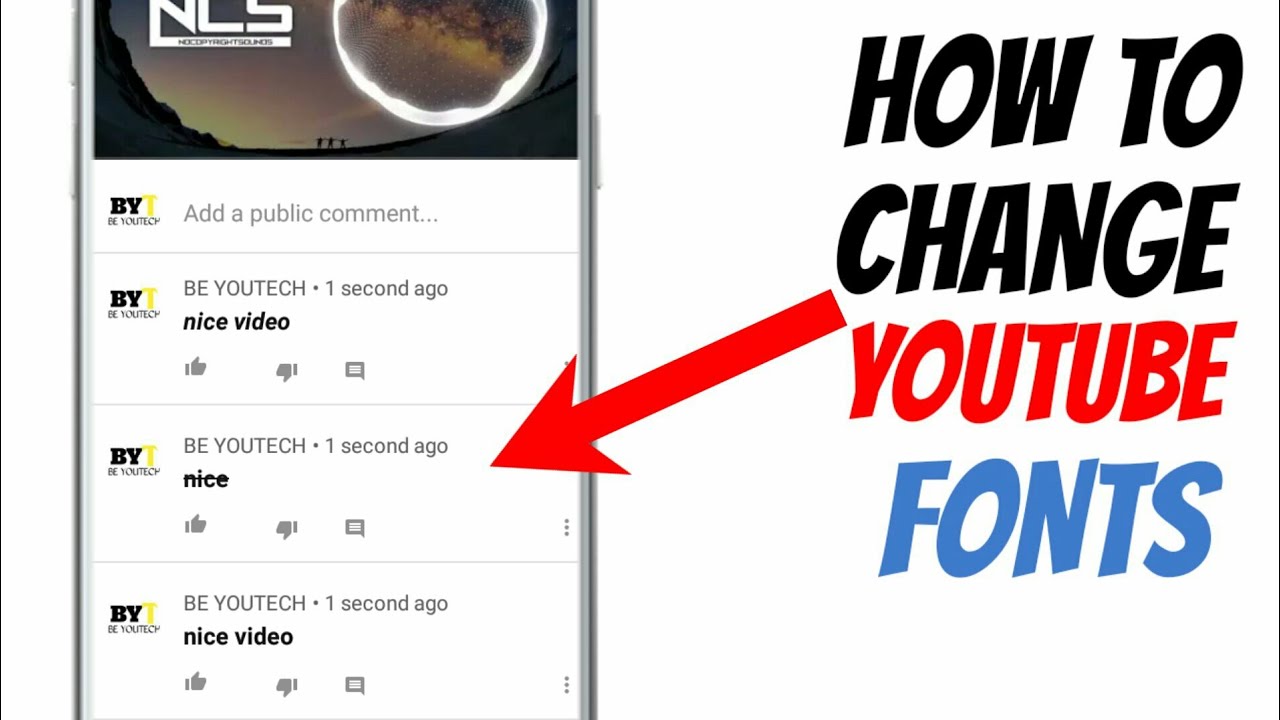
How To Change The Font In YouTube Comments?

How Much Do YouTubers Charge For Sponsored Videos?
How Much Do Sponsors Pay Instagrammers?
So if you are looking to buy youtube subscribers India, buy active youtube subscribers, buy youtube subscribers cheap. Contact Us